
How to Start a Cut Flower Business: 5 Tips for New Flower Farmers
You love flowers. The way they look, smell, and make people feel. You’ve spent countless hours in the garden, dreaming of turning that passion into something more. And now, you’re ready to take the leap and make money from your flowers.

You’ve found the space, prepped the soil, and decided what to grow. But starting a flower business involves more than just growing the flowers. Whether you’re launching a backyard cut flower garden or building a small flower farm, success depends on how well you plan, market, and structure your business from the beginning.
Here are five essential tips to help you start your flower farming business the right way.
1. Define Your Vision Before Starting a Flower Business
If you don’t have a clear vision for your flower business, you’ll find yourself saying yes to everything…wasting money, burning time, and running in circles trying to make it all work. Without direction, it’s easy to become overwhelmed and exhausted before you even get off the ground.
Instead of diving in without a plan, take a step back and define what success looks like for you.
Ask Yourself:
What kind of flower business do I want? Am I drawn to selling at farmers’ markets, offering bouquet subscriptions, growing for wholesale, or hosting U-pick events?
What fits my lifestyle? Do I want this to be a side hustle, part-time income, or a full-time career?
How much time do I realistically have? Choose crops that fit your schedule, whether that’s low-maintenance peonies, spring-blooming bulbs, or heat-loving annuals.
What’s my income goal? Do I want to bring in an extra $5K, $50K, or build a six-figure business? Your revenue goals will determine how much you need to grow and sell.

Having a vision isn’t about getting it perfect, it’s about having direction. Without it, you’ll constantly second-guess yourself, chase trends, and feel pulled in a million directions.
When you define your big picture, every decision from what flowers to grow to where to sell becomes so much easier. Instead of spreading yourself too thin, you’ll focus on the opportunities that actually align with your goals. And that’s how you build a business that lasts.
2. Build a Flower Farming Business That Fits Your Life
It’s easy to get caught up watching other flower farmers on social media and feeling like you need to grow everything and do it all to be successful. Ignore that!
Most of those farms? They have years of experience, a full staff, established systems, and resources you may not have yet. Trying to copy them will only leave you frustrated, overwhelmed, and stretched too thin.
Instead, build your business around what you have.

Focus on:
Your strengths – What do you naturally enjoy and excel at? Are you great at social media? Do you have a keen attention to detail? Play to your strengths instead of forcing yourself to do it all.
Your budget – No matter your budget, stay within it. You don’t need to invest in high-end infrastructure or thousands of tubers right away. Start with what makes sense for you, reinvest as you grow, and build sustainably over time.
Your time – How much time do you really have? Some business models (like wedding work) require weekends, while others (like subscriptions) offer more flexibility.
Your family’s needs – If you have young kids or other commitments, you may not want to be tied to early morning farmers’ markets or high-pressure event work.
Your business should fit your life, not the other way around. There is no one-size-fits-all approach to flower farming, so don’t worry about what everyone else is doing and focus on what works for you.

3. Start Small: Don’t Grow Too Many Flower Varieties
I get it, flowers are exciting. You want to grow all the things because they’re beautiful, unique, and honestly, it’s just fun to experiment. But growing all the flowers is one of the easiest ways to burn out.
Too many new growers get so caught up in planting, tending, and harvesting that they leave zero time for the actual business side. And at the end of the day, it doesn’t matter how many flowers you grow if you don’t have time to sell them.
Instead, focus on a handful of core varieties in varying shades. This streamlines your operations—from sowing to maintaining to harvesting—making your workflow more efficient and manageable.
Ask Yourself:
What varieties thrive in my zone and growing conditions? (Focus on what thrives in your climate to minimize loss and labor.)
Which varieties are easiest to grow and maintain? (Minimize headaches, maximize profit.)
How can I streamline my offerings? (More isn’t always better. Strategic selection is key.)
By narrowing your focus, you’ll create a more efficient operation with less stress allowing you to work smarter and build a thriving flower business.

4. Differentiate Your Flower Farm and Define Your Unique Offer
New growers often see other flower businesses in their area and assume the market is too crowded or try to replicate what’s already being done. But the truth is, success comes from differentiating yourself, not blending in. Finding what makes your farm unique is what will set you apart and attract the right customers.

Your unique offer could be:
A premium experience – U-picks, bouquet bars, or floral workshops that let customers interact with your farm in a special way.
A rare or specialty crop – Maybe you grow something no one else in your area does, like peonies, dahlias, unique tulips, or heirloom varieties.
A personal connection – People love to buy from farmers they feel connected to. Sharing your story, offering farm tours, or building relationships through CSA memberships can set you apart.
A convenience factor – Local delivery, bouquet subscriptions, or an easy online ordering system can make flower-buying seamless.
Aesthetic and brand identity – Your farm’s look, feel, and branding can create a signature style that customers recognize and seek out.
5. Start Marketing Your Flower Business Early
Please don’t wait until you have flowers to start marketing.
There’s this fear that if you promote too soon and something goes wrong (bad weather, poor germination, crop failure), you’ll be left with nothing to sell. But here’s the thing: marketing isn’t about the flowers. It’s about building relationships.
People don’t just buy flowers, they buy stories, experiences, and connections. When they feel like they’ve been on this journey with you, they’re invested. They’ve watched your farm come to life, they know the work that went into those blooms, and when the flowers finally arrive, they’re ready to support you.
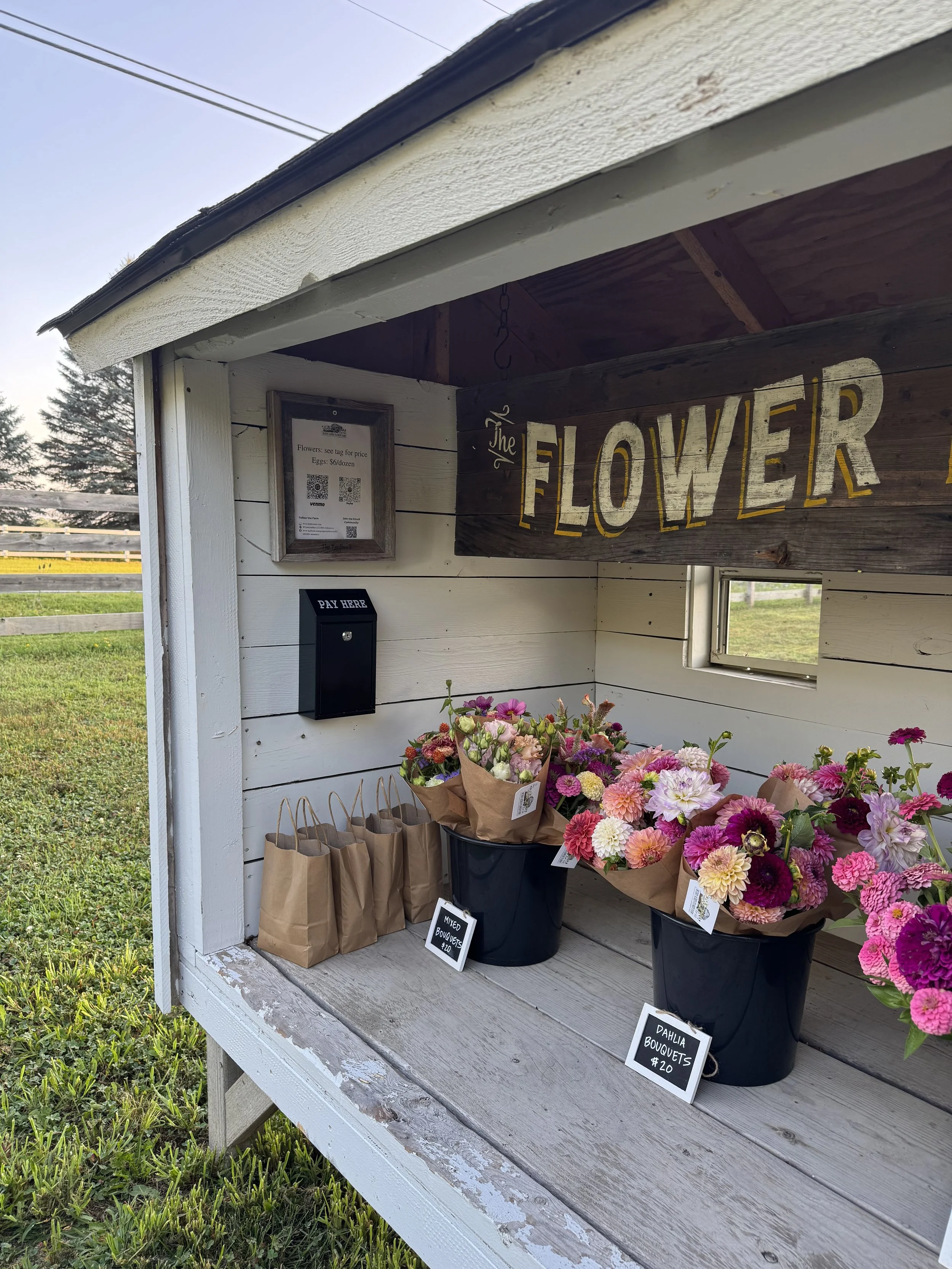
You don’t need flowers in bloom to start marketing. You just need to start talking about your farm.
Post about preparing your beds. People love seeing the behind-the-scenes process.
Share photos of seedlings and progress updates. Show them what’s growing!
Talk about your "why." Why did you start your farm? What makes your flowers special?
Give value. Educate people—share flower care tips, bouquet arranging hacks, or fun facts about your crops.
Looking for more strategies to build a customer base besides posting on social? Be sure to check out The Playbook for Flower Farmers to Find Customers.
How to Successfully Start a Flower Farming Business
Starting a flower farm is an exciting journey, but success doesn’t come from just growing beautiful flowers. It comes from building a strong business.
The most important thing? Take action. You don’t have to have it all figured out today, but every small step whether it’s crafting a vision, simplifying your crop plan, or making your first marketing post moves you closer to a thriving business.
Want a More Detailed Plan?
These five tips will save you time, money, and frustration as you start your flower business. But if you're looking for a step-by-step roadmap, a checklist to keep you on track, be sure to check out my 5-Week Plan to Launch Your Cut Flower Business. It’s designed to take the guesswork out of getting started, so you can move forward with clarity and confidence.
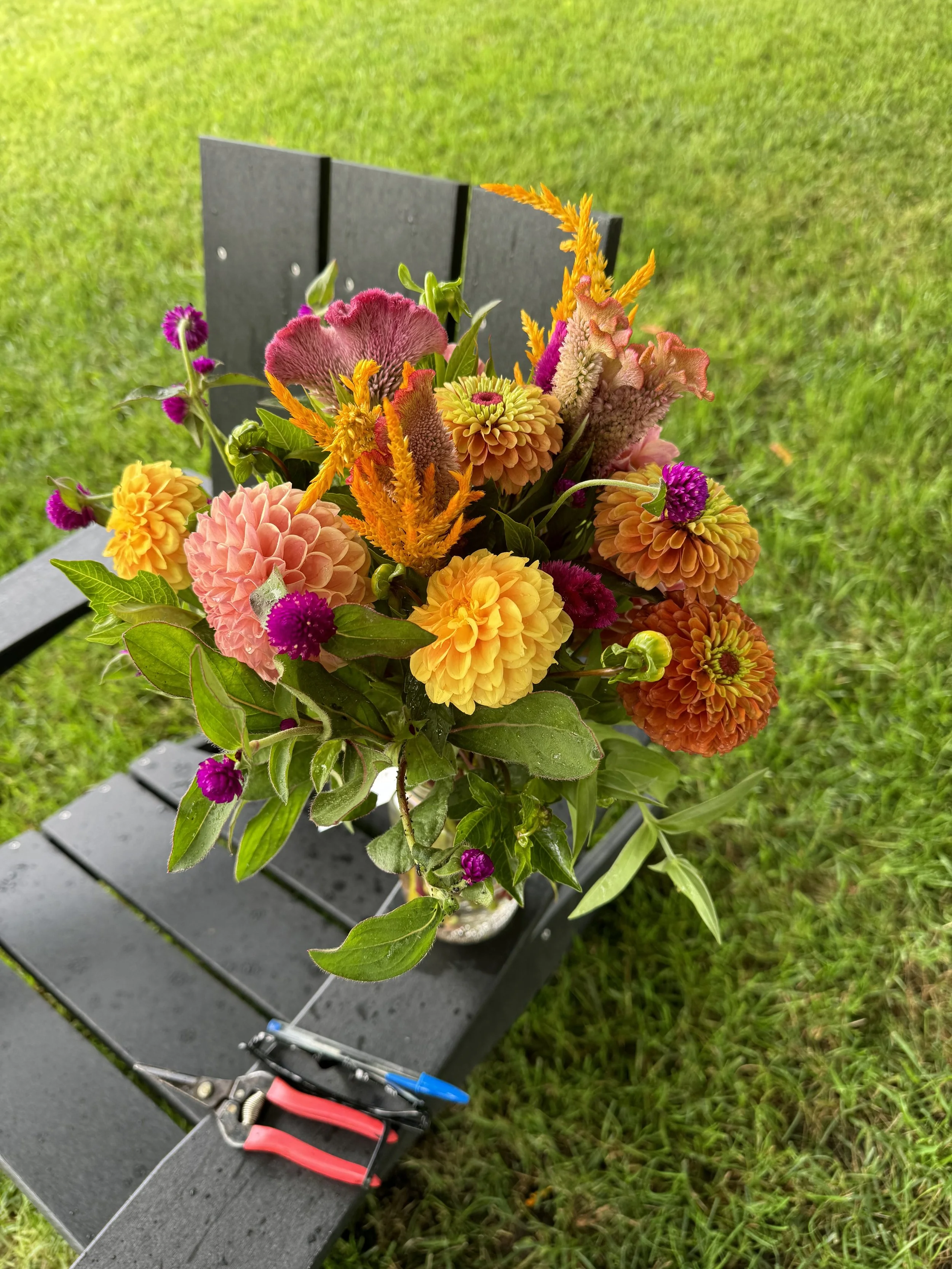
Frequently Asked Questions About Starting a Flower Business
How much does it cost to start a flower business?
Startup costs vary depending on land, tools, seeds, and infrastructure, but many growers begin small and reinvest profits as they grow.
Can you start a flower farm with no experience?
Yes. Many successful flower farmers start as hobby gardeners and learn business skills over time.
Is flower farming profitable?
It can be profitable when you choose the right crops, price appropriately, and market effectively. You can see my numbers here.
What flowers are best for beginners?
Easy-to-grow, high-demand flowers like zinnias, cosmos, sunflowers, and dahlias are great starting points.